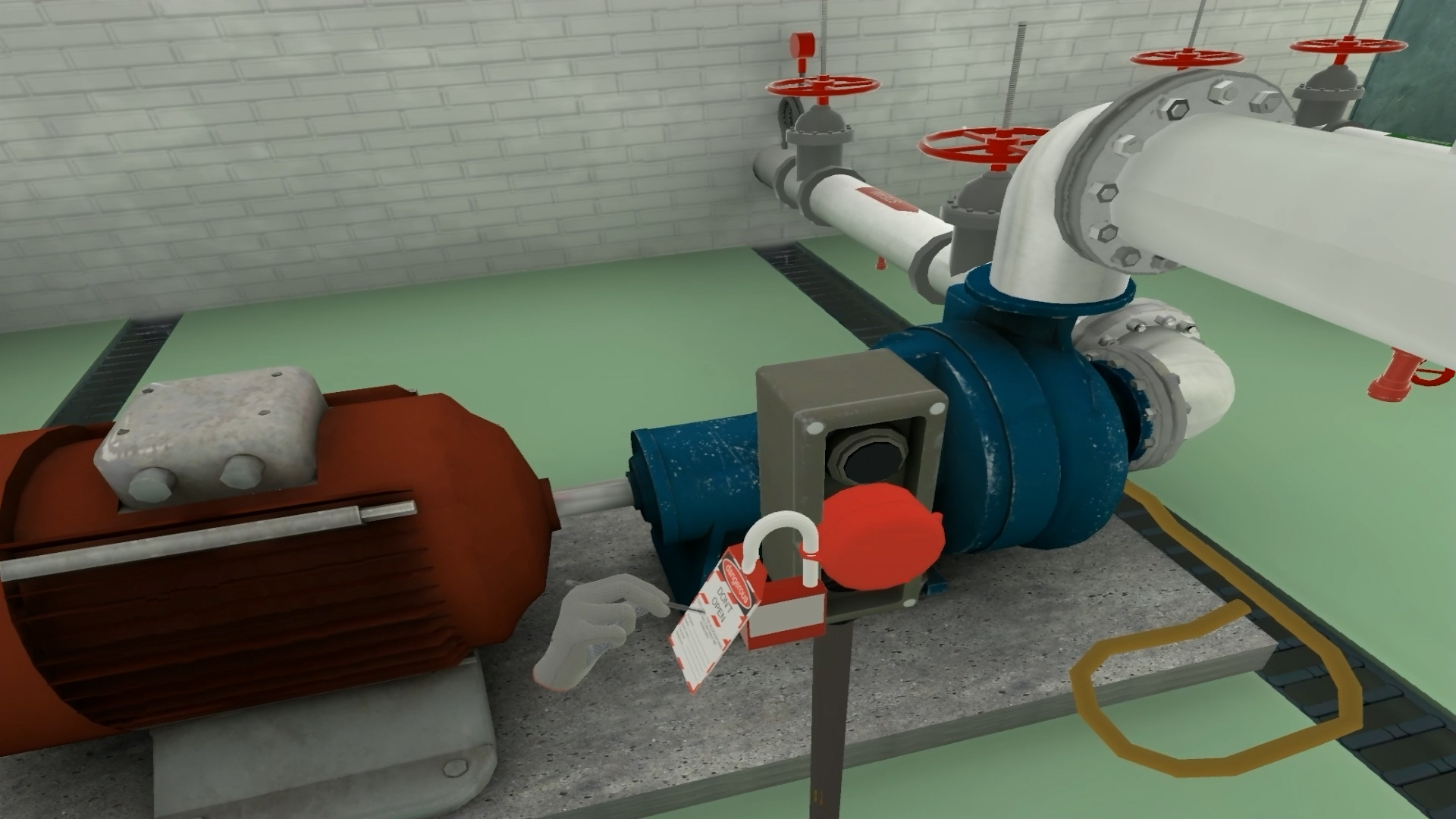
When multiple workers service the same machine, a single lock on an energy isolation point isn't enough. Without a coordinated system, someone could re-energize equipment while others are still exposed—leading to severe injury or death. The lockout tagout group lock box procedure exists to eliminate that risk. It’s not just a compliance checkbox; it’s a structured safety workflow that ensures every worker has control over the machine’s energy state before, during, and after maintenance.
This isn't about individual responsibility alone. It's about collective safety through synchronization, discipline, and visual accountability.
Why Standard Lockout Falls Short in Group Work
A standard lockout tagout (LOTO) procedure works well when one technician isolates and services a machine. But in team environments—like plant turnarounds, large equipment overhauls, or complex maintenance tasks—multiple tradespeople often work on the same system.
Imagine an electrician, a mechanic, and a hydraulics specialist all needing access to different parts of a press line. If each applies their own lock to the main disconnect, how do you ensure all locks are removed only when everyone is clear?
This is where standard LOTO becomes chaotic. Workers may leave shifts early, misplace keys, or assume someone else handled re-energization. The group lock box procedure transforms this disorganization into a unified, traceable process.
How the Group Lock Box Procedure Works
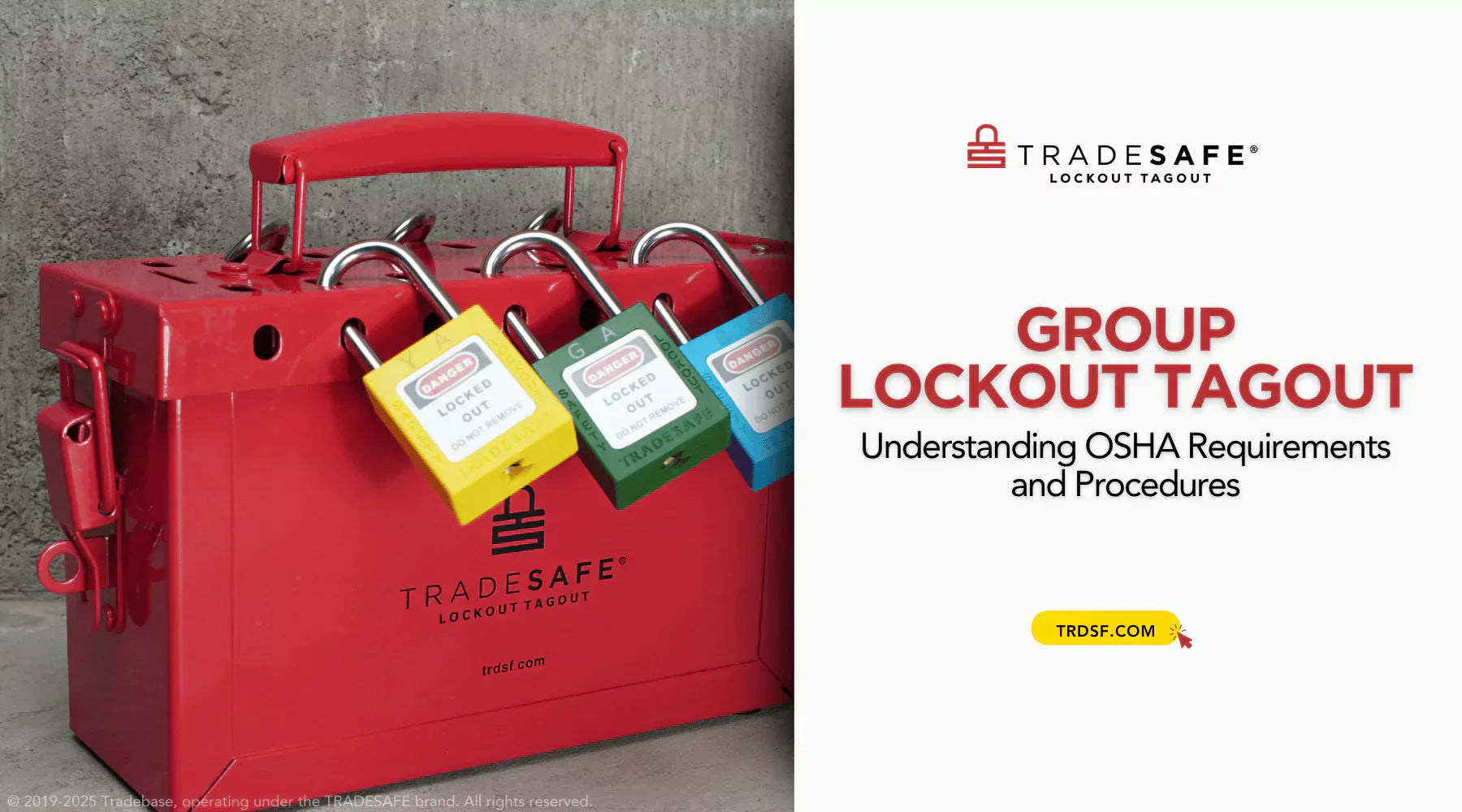
The group lockout box—also called a group lock station or LOTO cabinet—is a physical container that holds individual locks and tags belonging to each worker on a job. It’s paired with a master lockout sequence led by an authorized attendant.
Here’s the standard workflow:
- Preparation
- The authorized employee (often a lead technician or supervisor) identifies all energy sources—electrical, hydraulic, pneumatic, chemical, thermal—and prepares the machine for shutdown.
- Shutdown & Isolation
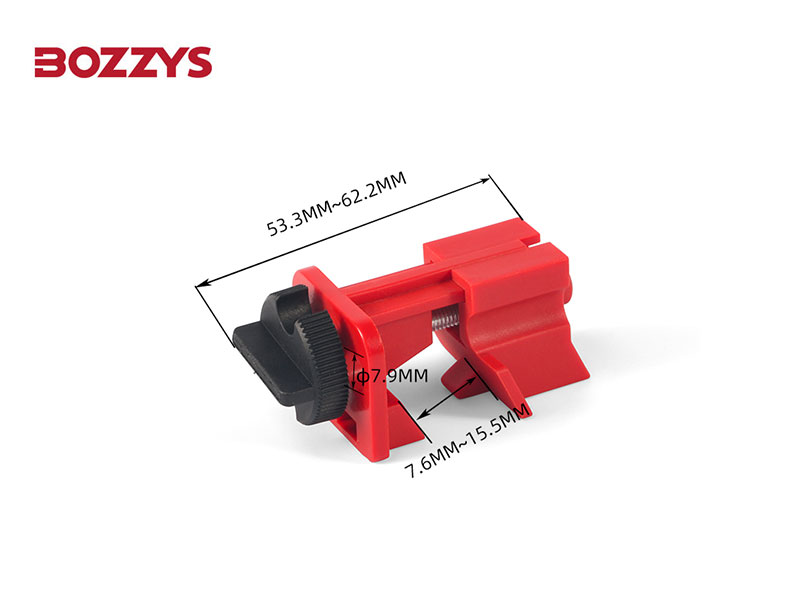
- The machine is turned off using normal stopping procedures. Isolation devices (circuit breakers, valves, etc.) are physically locked out using a hasp or multiple lock adapters.
- Application of Group Lock Box
- A group lockout box is attached near the isolation point. The attendant places a personal lock on the box and keeps the only key. Inside the box are the individual locks and tags for each worker.
- Individual Lock Application
- Each authorized employee applies their personal lock to the energy-isolating device, then places their tag and spare lock/key inside the group box. This ensures no one can retrieve their lock until the box is unlocked.
- Verification & Work Begins
- The attendant verifies zero energy state using test instruments or pressure gauges. Only after confirmation does the team begin servicing the equipment.
- Completion & Release
- When a worker finishes, they remove their lock from the isolation point but do not take their lock from the group box. Only when all individual locks are removed does the attendant unlock the group box, return personal locks, and initiate re-energization.
This layered approach ensures that no single person can restart the machine. Re-energization requires confirmation that every worker has cleared the danger zone.
Real-World Example: Overhauling a Conveyor System
A bottling plant needs to replace bearings on a 150-foot conveyor. The job requires a mechanical technician, an electrician, and a controls engineer.
The maintenance supervisor (authorized attendant) leads the LOTO process: - Shuts down the main conveyor motor and locks the breaker. - Attaches a group lock box to the breaker panel. - Each worker applies their lock to the breaker and places a duplicate inside the box. - Supervisor verifies no residual energy using a voltage tester and mechanical inspection. - Work begins.
The electrician finishes wiring checks first and removes their lock from the breaker—but their lock stays in the box. The controls engineer finishes second. Only when the mechanic removes the final lock does the supervisor unlock the group box, collect all personal locks, and release the system for restart.
Without the box, the electrician might have taken their lock and left, creating a dangerous assumption that the system was safe to restart.
Common Mistakes That Break the Procedure
Even experienced teams make errors that compromise the group lock box system:
- Using a master key or spare locks – defeats the purpose of personal accountability.
- Leaving locks in the box after work completion – delays restarts and encourages bypassing the system.
- Failing to verify zero energy – assumptions kill. Always test.
- Allowing untrained personnel to participate – only authorized employees should apply locks.
- Placing the box too far from isolation points – creates confusion and access issues.
One refinery incident occurred when a worker placed their lock on the disconnect but forgot to deposit the key in the group box. When others assumed he was still working, the entire production line stayed down for hours after he had left. Proper discipline prevents cascading delays and safety lapses.
Equipment and Setup Requirements
A successful group lockout depends on proper tools and placement. Key components include:
- Lockout boxes: Durable, weather-resistant if outdoors, with space for 5–20 locks.
- Hasps and lockouts: Steel or polymer hasps that allow multiple locks on one isolation point.
- Personal locks and tags: Each worker needs a unique lock (color-coded or numbered) and standardized tag with name, date, reason, and contact.
- Energy isolation devices: Circuit lockouts, valve caps, plug locks, etc., specific to the energy type.
- Signage: Labels on boxes and isolation points indicating active LOTO.
The box should be mounted within 10 feet of the main energy source, visible, and accessible only to the attendant. In large systems with multiple energy sources, secondary group boxes may be needed—each controlled by a sub-attendant reporting to the lead.
Roles and Responsibilities in Group Lockout
Clear roles prevent confusion and enforce accountability.
Authorized Attendant (Lead Lockout Coordinator) - Leads the shutdown and isolation process. - Manages the group lock box and maintains custody of the key. - Verifies zero energy state. - Coordinates with all workers before re-energization. - Must be trained and certified under OSHA 1910.147.
Authorized Employees (Maintenance Workers) - Apply and remove their own locks and tags. - Place duplicate locks or keys in the group box. - Notify the attendant when work is complete. - Never lend locks or bypass the system.
Affected Employees (Operators) - Not permitted to perform maintenance. - Must be informed when equipment is under LOTO. - Cannot attempt to restart or remove locks.

The attendant isn’t a gatekeeper—they’re a facilitator of safety. Their job ends only when every worker is clear and every lock is off.
OSHA Compliance and Legal Implications
OSHA’s Control of Hazardous Energy (1910.147) doesn’t explicitly mandate group lockout boxes—but it requires procedures that protect employees during servicing. Group lockout is the most widely accepted method for multi-person work.
Failure to implement an effective group LOTO process can lead to: - Fines exceeding $15,000 per violation - Criminal charges in cases of gross negligence - Civil lawsuits following injuries - Mandatory shutdowns during inspections
In 2022, a Midwestern manufacturing plant was cited after a worker lost an arm when a press was re-energized mid-maintenance. The investigation found no group lock box was used, and multiple workers had applied locks without coordination. The total penalty: $98,000 and a required overhaul of all energy control procedures.
Documentation is critical. Companies must maintain: - Written LOTO procedures for each machine - Training records for all authorized and affected employees - Periodic audits (at least annually) - Logs of each group lockout event
Compliance isn’t just about avoiding fines. It’s about proving due diligence when lives are on the line.
When to Use Group Lockout vs. Individual Lockout
Not every job needs a group box. Use it only when: - Two or more authorized employees are working on the same equipment - Tasks span multiple shifts - The maintenance period exceeds one workday - Energy isolation involves more than one source
For single-person tasks or short-duration servicing, individual lockout is sufficient and more efficient.
However, if shift turnover is involved—say, a night crew finishing what the day crew started—group lockout with shift交接 (handover) procedures becomes essential. The outgoing attendant transfers the group box and keys to the incoming attendant after briefing, ensuring continuity.
Closing: Build Safety Into the Workflow
The lockout tagout group lock box procedure isn’t a formality. It’s a rigorously designed system that turns individual caution into collective protection. The box itself is just metal and plastic—the real strength lies in consistent execution.
Train your teams thoroughly. Audit procedures quarterly. Empower attendants with authority, not just responsibility. And never let convenience override protocol.
When the machine hums back to life, everyone should walk away—no exceptions. That’s what proper group lockout delivers: not just compliance, but confidence.
Frequently Asked Questions
What is a group lockout box used for? It ensures that multiple workers can safely isolate and service equipment together, preventing premature re-energization.
Who controls the group lock box key? The authorized attendant—usually a designated lead technician or supervisor—maintains sole custody.
Can a worker remove their lock without the attendant? No. The attendant must verify all work is complete and coordinate the final release.
Is a group lock box required by OSHA? Not explicitly, but OSHA requires effective procedures for group work—group lockout is the recognized best practice.
What if a worker loses their lock key? The lock must be removed by the attendant using a documented override procedure, typically involving supervisor approval and verification.
Can multiple group boxes be used on one machine? Yes, if the machine has multiple energy sources, each may require its own group box with a designated attendant.
How often should group LOTO procedures be reviewed? At least annually, or whenever equipment, processes, or personnel change.
FAQ
What should you look for in Lockout Tagout Group Lock Box Procedure Explained? Focus on relevance, practical value, and how well the solution matches real user intent.
Is Lockout Tagout Group Lock Box Procedure Explained suitable for beginners? That depends on the workflow, but a clear step-by-step approach usually makes it easier to start.
How do you compare options around Lockout Tagout Group Lock Box Procedure Explained? Compare features, trust signals, limitations, pricing, and ease of implementation.
What mistakes should you avoid? Avoid generic choices, weak validation, and decisions based only on marketing claims.
What is the next best step? Shortlist the most relevant options, validate them quickly, and refine from real-world results.