Workers shouldn't have to gamble with their lives when servicing machinery. Yet every year, preventable accidents occur because lockout tagout (LOTO) procedures break down at the most basic level—using the wrong locks. A flimsy padlock, a misapplied hasp, or a missing tag can transform routine maintenance into a catastrophe. When it comes to locks for lockout tagout, specificity isn't just best practice—it's a legal and moral obligation.
The right lock does more than secure a valve or lever. It communicates control, signals danger, and enforces accountability. It's the physical manifestation of a safety protocol. But not all locks are built for this. Standard hardware-store padlocks may resist casual theft, but they fail under industrial conditions: extreme temperatures, chemical exposure, or deliberate tampering. Choosing the wrong one undermines the entire LOTO system.
This guide cuts through the noise. It focuses on what matters: selecting locks that ensure safety, meet OSHA standards, and hold up in real facilities—from fabrication shops to chemical plants.
Why Standard Locks Fail in LOTO Environments
Many facilities start with general-purpose padlocks. They're cheap, available, and familiar. But in a LOTO context, these locks often fall short.
First, durability. A standard lock exposed to hydraulic fluid, solvents, or outdoor weather can corrode or seize. Workers then face a dilemma: force the lock off (bypassing procedure) or delay maintenance (slowing operations). Either outcome defeats the purpose of LOTO.
Second, key control. General padlocks often come in master-keyed sets. If one key opens multiple locks, individual accountability disappears. OSHA’s 29 CFR 1910.147 explicitly requires that each authorized employee have their own unique lock—non-interchangeable, individually keyed.
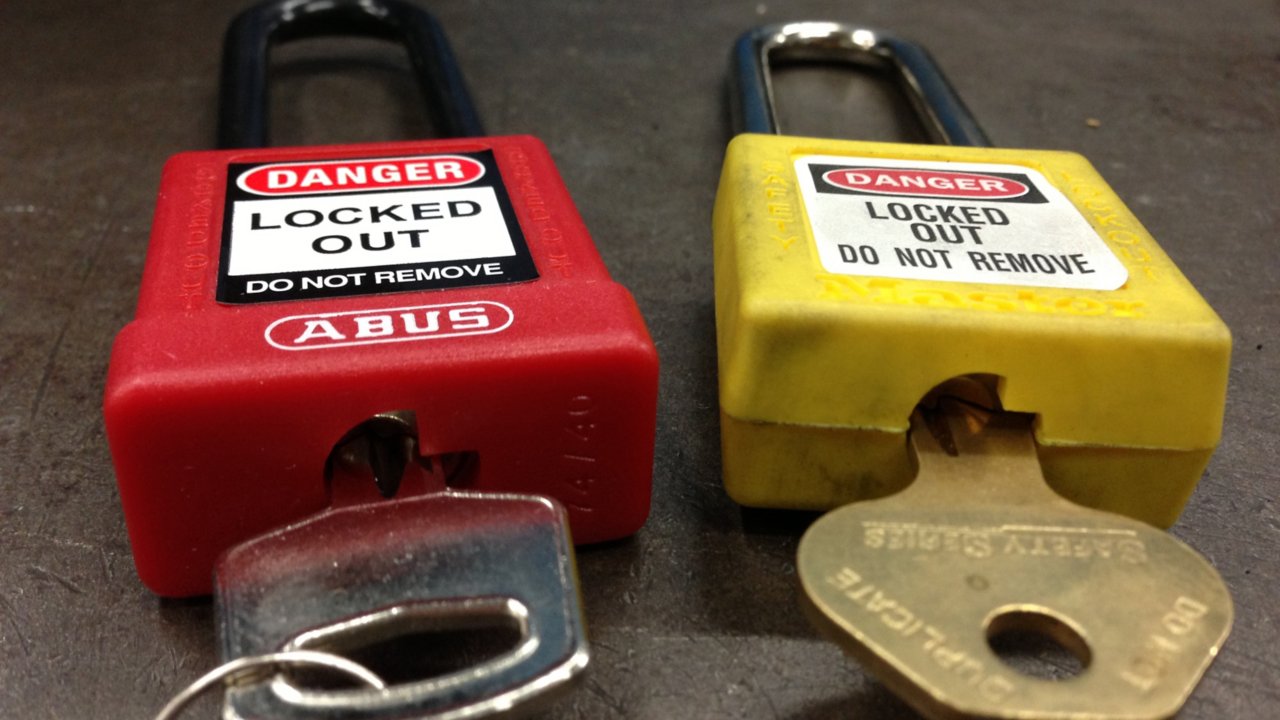
Finally, visibility. Standard black or silver padlocks blend into machinery. In a high-stress situation, a safety team must instantly see which devices are locked. LOTO-specific locks use bright colors—red, yellow, or orange—with bold labels: “Do Not Operate,” “Locked Out,” or employee names.
A real-world example: A Midwest manufacturing plant reported repeated hydraulic press injuries during maintenance. Investigation revealed workers were using personal padlocks from home. Some had rusted shut; others were left on site, increasing unauthorized access risk. Switching to dedicated safety locks reduced incidents by 90% within six months.
Key Features of Effective LOTO Locks
Not all safety locks are created equal. The best ones balance security, usability, and compliance. Here’s what to look for:
1. Non-Conductive Materials In electrical environments, metal locks pose shock risks. High-end LOTO locks use reinforced polymers or thermoplastics that resist conductivity while maintaining strength. These are essential in control panels, switchgear, or motor disconnects.
2. Weather and Chemical Resistance Outdoor or chemical-processing environments demand UV-stable, corrosion-resistant materials. Look for locks rated for exposure to acids, oils, or salt spray. Some manufacturers provide NEMA or IP ratings for environmental resilience.
3. Shackle Design The shackle—the U-shaped part—is critical. It must resist cutting, prying, and side-loading. Look for: - Hardened steel shackles - Clear shrouds to prevent bolt cutters - Long enough reach to span isolators or valves - Diameter ≥ 6mm for tamper resistance
4. Single-Key Control Each lock should be uniquely keyed. Avoid master-key systems. Some facilities now use keyed-alike sets for departments, but only when paired with strict sign-out logs and individual tagging.
5. Integrated Tag Attachments The lock isn’t enough. It must work with a tag. Many LOTO locks have built-in loops or slots for safety tags. This ensures the “why” and “who” of the lockout stays with the device.
Common LOTO Lock Types and Applications
Different energy sources require different locking strategies. Using the wrong type leads to gaps in protection.
| Lock Type | Best For | Key Limitations |
|---|---|---|
| Safety Padlocks | General-purpose isolation (valves, levers, breakers) | Limited shackle size; not for high-tension areas |
| Cable Locks | Irregular shapes (pipes, rods, multi-point disconnects) | Cables can fray; not cut-resistant |
| Valve Lockout Devices | Gate, ball, or butterfly valves | Must match valve diameter and handle type |
| Breaker Lockouts | Circuit breakers, switchgear | Often require specific model adapters |
| Group Lockout Hasps | Multiple workers on one machine | Requires strict coordination; misremoval risks |
For example, a cable lock may seem like a flexible solution for a steam line with no standard attachment point. But if the cable lacks heat resistance, it degrades quickly. A better option? A high-temperature-rated valve lock with a ceramic-coated shackle.
Another common mistake: using a single padlock on a disconnect switch that supports multiple locks. OSHA requires that each worker apply their own lock during group servicing. A hasp allows this, but only if properly rated and installed.
Top 5 Safety Locks for Lockout Tagout Programs
Choosing reliable equipment means trusting tested products. These five models stand out across industries for durability, compliance, and innovation.
- Master Lock 1500iDAT Red Safety Padlock
- - Shackle: 7mm hardened steel, 1.5" reach
- - Keyed differently (non-interchangeable)
- - Integrated date tag slot
- - OSHA-compliant labeling
- Best for general electrical and mechanical lockouts
- GRAINGER 2XKA9 Red Cable Lockout
- - 3.5mm steel cable, 24" long
- - Weather-resistant polymer body
- - Fits irregular actuators and rods
- Ideal for pipelines, pneumatic systems
- Safeguard Industries SG-120 Ball Valve Lockout
- - Adjustable clamp fits 1"–4" handles
- - UV-stable polyurethane body
- - Accommodates padlocks up to 9/16" shackle
- Top pick for water, gas, and chemical valves
- King Towels KT-300 Breaker Lockout
- - Fits 1–3 pole breakers
- - Reinforced nylon frame
- - Clear window for breaker status visibility
- Standard in electrical rooms and substations
- Seton 62-401 Group Lockout Hasp
- - 6-lock capacity
- - 3/8" shackle opening
- - Corrosion-resistant zinc alloy
- Critical for multi-craft maintenance teams
These aren’t just durable—they’re designed with procedural integrity in mind. For instance, the Master Lock 1500iDAT includes a tamper-evident tag holder. If the tag is removed, the seal breaks. That’s not just compliance; it’s accountability.
Avoiding Common LOTO Lock Mistakes
Even with the right equipment, errors undermine safety. These pitfalls appear regularly—even in OSHA-audited facilities.
Mistake 1: Using Personal Locks Without Control An employee brings their own padlock from home. It’s red, so it “looks” like a safety lock. But it’s master-keyed with others. If lost, multiple locks become vulnerable. Solution: Issue facility-owned, serialized locks with documented key control.
Mistake 2: Overloading Hasps A maintenance team uses a 3-lock hasp—but five people are working. Two workers skip locking out, assuming “someone else is covered.” Rule: If the hasp is full, use a secondary lockout point or add a second hasp.
Mistake 3: Ignoring Environmental Fit A lock rated for indoor use is applied to an outdoor emergency stop. After six months, salt corrosion freezes the shackle. Always match lock specs to environment—temperature, moisture, chemicals.
Mistake 4: Skipping Tag-Lock Pairing The lock is on, but the tag is missing. Why is it locked? Who applied it? Without a tag, LOTO fails OSHA’s communication requirement. Enforce a “no lock without tag” rule.
A Midwest refinery learned this the hard way. A locked valve was cleared during shift change because the tag had blown off in the wind. The result: an uncontrolled release requiring evacuation. Afterward, they switched to weatherproof tag enclosures and conducted monthly LOTO audits.
How Locks Fit Into a Complete LOTO System
Locks are critical—but they’re one component of a larger energy control program. A lock without a procedure is just metal.
Effective LOTO systems include: - Written energy control procedures - Authorized and affected employee training - Periodic inspections (at least annually) - Lockout devices specific to each machine - Clear communication protocols
The lock’s role? It’s the physical enforcement tool. It ensures that once a procedure is started, no one can restart equipment without deliberate, verified action.
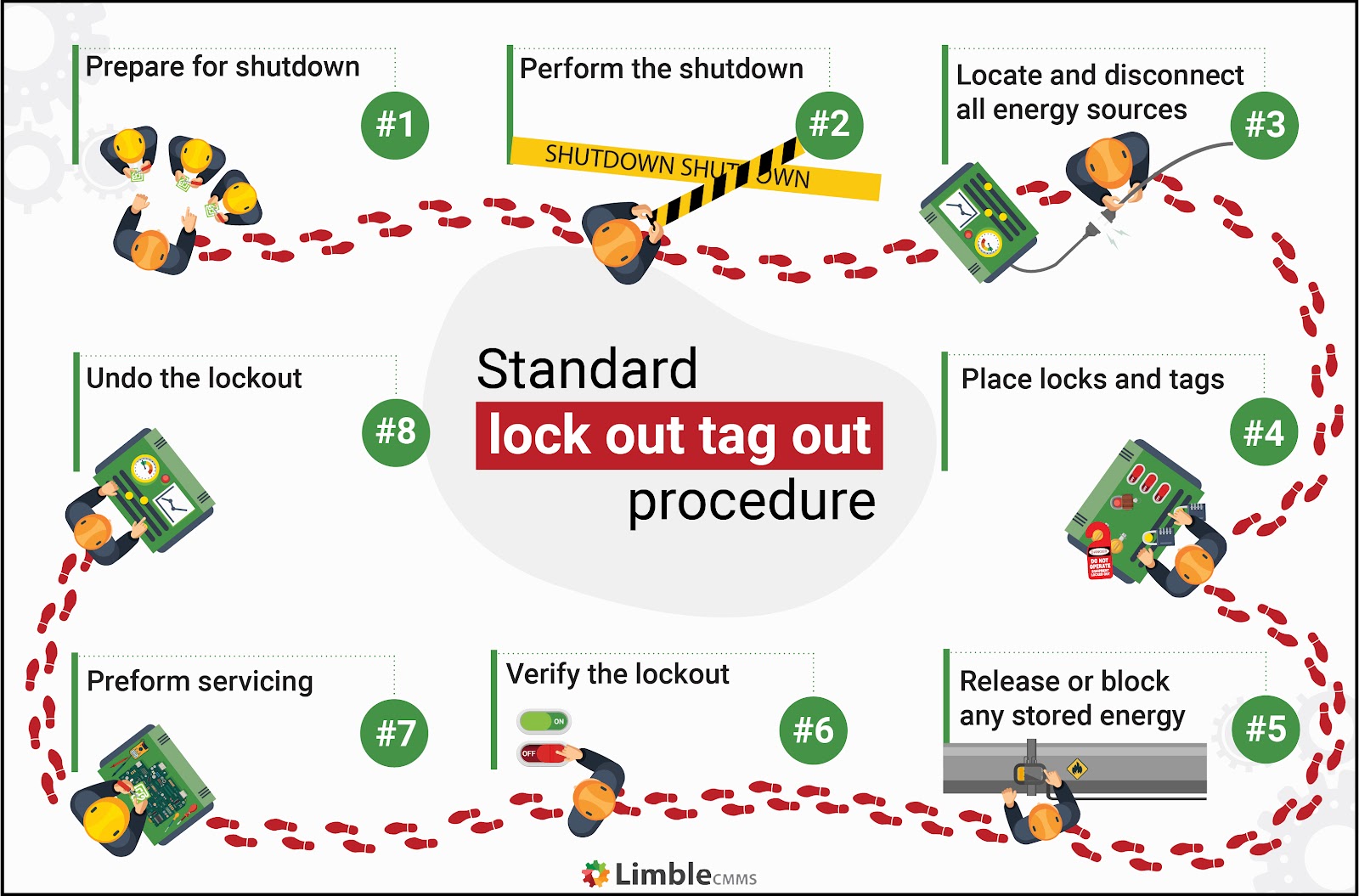
- For example, a paper mill might have a procedure for clearing a jammed conveyor. The steps include:
- Notify affected workers
- Shut down via main disconnect
- Apply personal lock and tag
- Test for zero energy (try to start)
- Perform maintenance
- Remove lock only after area clearance
The lock sits at step 3 and step 6—it enables control and confirms completion.
Without standardized locks, this process breaks. Imagine five workers using different lock types, colors, or key systems. Chaos follows.
Final Recommendations: Building a Reliable Lock Inventory
Start by auditing your equipment. Walk the floor. Identify every energy-isolating device: breakers, valves, disconnects, chutes. Then, map each to the right lock type.
Next, standardize. Choose one or two padlock models, one cable lock, and specific device lockouts. This reduces training time, simplifies replacement, and strengthens compliance.
Then, control distribution. Store locks in a secured cabinet. Track issuance. Replace lost locks immediately—don’t allow substitutions.
Finally, train—and retrain. Workers must understand not just how to lock out, but why each lock matters. Use real near-miss stories. Show photos of damaged locks. Make it real.
Locks for lockout tagout aren’t accessories. They’re safeguards. The right ones don’t just comply—they prevent. Invest in quality, enforce discipline, and treat every lock as a line of defense.
Equip your team with dependable, standardized locks. Audit regularly. Train relentlessly. And never let convenience override safety.
Frequently Asked Questions
What type of lock is best for lockout tagout? A non-conductive, individually keyed safety padlock with a hardened steel shackle and integrated tag holder is ideal for most applications.
Can you use any padlock for LOTO? No. Only locks specifically designed for safety—non-interchangeable, durable, and clearly labeled—should be used. Standard padlocks lack compliance features.
Why do LOTO locks need to be red? Red is the universal color for danger and stop. It increases visibility and signals that equipment is unsafe to operate.
How many locks can go on a single hasp? Most group lockout hasps support 3 to 6 locks. The number depends on the model—always follow manufacturer limits.
What’s the difference between lockout and tagout? Lockout uses a physical lock to prevent energizing. Tagout uses a warning tag only. Lockout is required when possible; tagout alone is allowed only under strict conditions.
Do LOTO locks need to be keyed alike? No. Each authorized employee must have a unique lock. Keyed-alike sets are acceptable only if each lock is assigned to one person and not shared.
Can cable locks be used for electrical lockout? Only if the cable is non-conductive and the lock meets safety standards. Always verify voltage ratings and material specs before use.
FAQ
What should you look for in Choosing the Right Locks for Lockout Tagout Programs? Focus on relevance, practical value, and how well the solution matches real user intent.
Is Choosing the Right Locks for Lockout Tagout Programs suitable for beginners? That depends on the workflow, but a clear step-by-step approach usually makes it easier to start.
How do you compare options around Choosing the Right Locks for Lockout Tagout Programs? Compare features, trust signals, limitations, pricing, and ease of implementation.
What mistakes should you avoid? Avoid generic choices, weak validation, and decisions based only on marketing claims.
What is the next best step? Shortlist the most relevant options, validate them quickly, and refine from real-world results.