Every year, preventable electrical accidents occur because machinery isn’t properly de-energized during maintenance. The root cause? Inconsistent or ineffective lockout tagout (LOTO) practices. Electrical systems carry lethal energy, and without the right lockout tagout devices for electrical applications, workers face serious risks—electrocution, arc flashes, and equipment damage.
The solution isn’t just policy—it’s precision hardware. The right lockout tagout devices for electrical systems create a physical barrier between danger and personnel, ensuring circuits stay off until work is complete. This isn’t bureaucracy. It’s a mechanical promise of safety.
Why Lockout Tagout Is Non-Negotiable for Electrical Systems
Electrical hazards are invisible until they strike. A circuit may appear dead, but residual charge, backfeed, or accidental re-energizing can turn routine maintenance into a catastrophe. OSHA estimates that proper LOTO procedures prevent nearly 120 fatalities and 50,000 injuries annually in the U.S. alone.
For electrical systems—ranging from industrial control panels to switchgear and circuit breakers—LOTO isn’t optional. It’s a layered defense:
- Isolation: Physically disconnect energy sources.
- Locking: Apply a worker-owned lock to prevent re-energizing.
- Tagging: Communicate why the system is locked and who is responsible.
Without proper devices, this system fails. A padlock on a breaker won’t suffice if it’s the wrong size, material, or design. Electrical environments demand specialized hardware built for voltage levels, access points, and environmental conditions.
Key Types of Lockout Tagout Devices for Electrical Applications
Not all LOTO devices work across electrical systems. The variation in panel design, disconnect switches, and circuit protection gear requires targeted solutions. Here are the most critical types used in electrical safety:
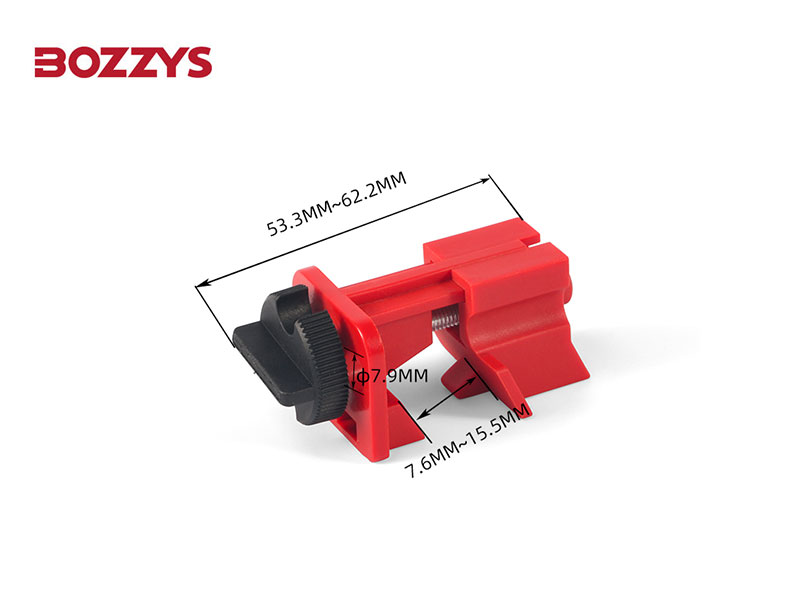
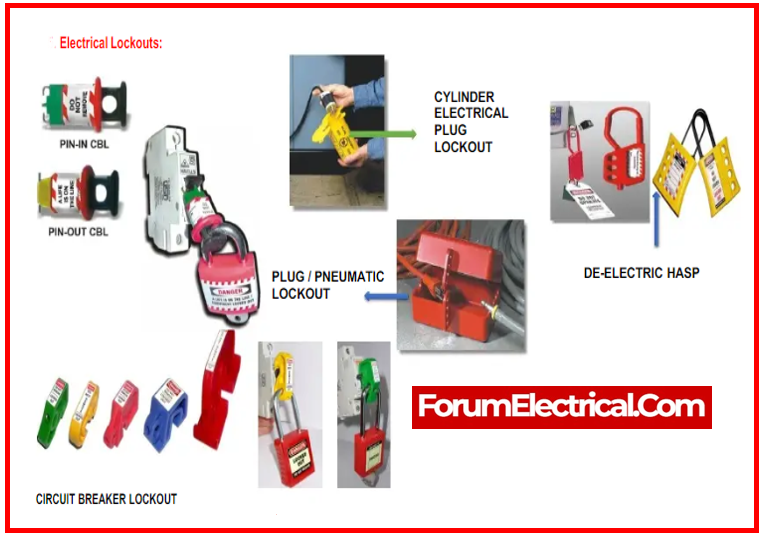
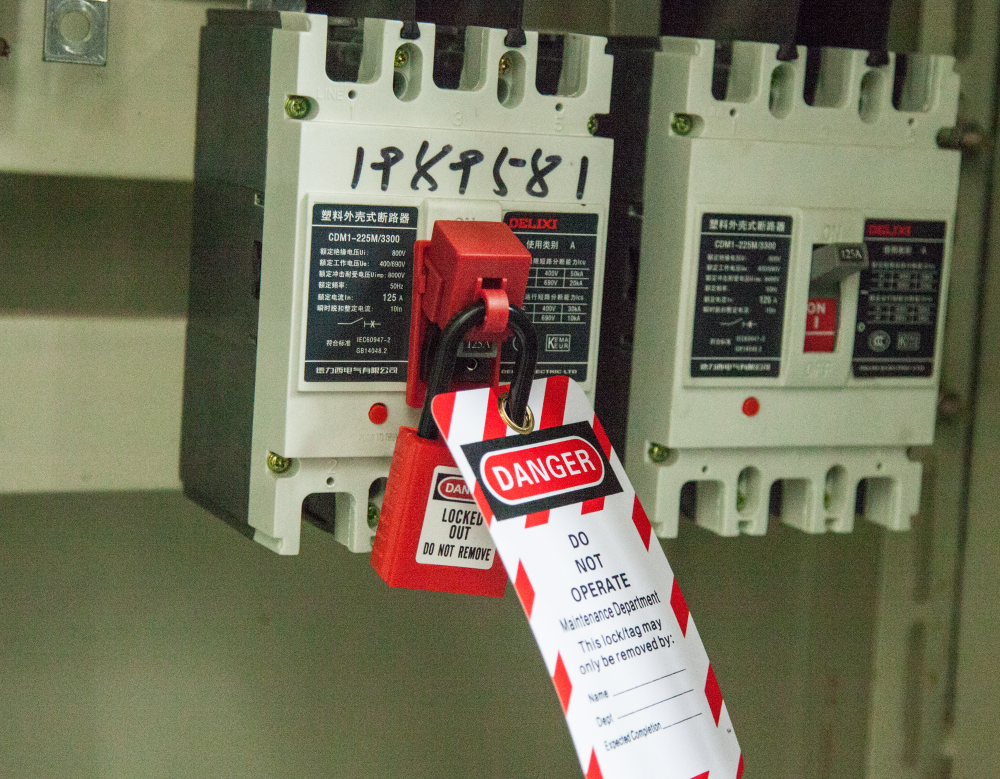
#### Circuit Breaker Lockouts Circuit breakers are primary targets for LOTO. A circuit breaker lockout device secures the switch in the OFF position, preventing accidental flipping. These come in: - Snap-on models for standard 1–3 pole breakers - Adjustable clamps for different breaker widths - Group lockout brackets for multi-circuit isolation
Example: In a manufacturing plant, a technician servicing a conveyor motor uses a snap-on breaker lockout on the MCC (Motor Control Center) panel. Without it, a coworker could reset the breaker remotely, energizing the line mid-repair.
#### Plug and Receptacle Lockouts Used when equipment draws power via cords, these block plugs from being reinserted into outlets. Typically made from durable nylon or polycarbonate, they’re essential in labs, hospitals, and maintenance bays.
Common mistake: Using generic outlet covers instead of UL-listed plug lockouts. The latter include lockable hasps for personal locks and tag holders.
#### Switch Lockouts (Toggle and Push-Button) Electrical panels often use toggle or push-button switches. Toggle switch lockouts clamp over the lever, while push-button variants encase the button in a locked shield. Both require a designated lock to release.
Workflow tip: Label each device with the corresponding circuit number. This reduces confusion during multi-team outages.
#### Valve Lockouts (for Electrical Support Systems) Though not directly electrical, valve lockouts matter in systems where electrical equipment relies on fluid cooling or hydraulic controls. Locking a cooling valve during motor maintenance prevents automated restarts tied to temperature sensors.
#### Group Lockout Stations and Hasps When multiple workers service one system, a group lockout station with a hasp allows each technician to apply their own lock. The system stays de-energized until all locks are removed.
Practical case: In a data center, three electricians replace a failed UPS unit. Each applies a lock to the group hasp on the main disconnect. No single person can re-energize the system prematurely.
Choosing the Right Device: Material, Compatibility, and Environment
Selecting LOTO devices isn’t just about fit—it’s about resilience.
Material Matters: - Nylon or polypropylene: Lightweight, cost-effective, ideal for indoor use - Stainless steel or aluminum: For high-heat, corrosive, or outdoor environments - UV-resistant plastics: Prevent cracking in sunlight-exposed areas
Compatibility Checklist: - Matches exact breaker or switch dimensions - Accommodates padlock shanks (typically 5–8 mm) - Includes space for LOTO tags (≥ 3" x 5") - Allows lock application without tools
Environmental Factors: - In wet areas, use non-conductive, waterproof lockouts - In explosive atmospheres (Class I, Division 1), ensure devices meet NEC and ATEX standards
A facility in the Gulf Coast, for instance, replaced plastic breaker locks with UV-stabilized nylon versions after sun exposure caused brittleness and failure. Small oversight. Big risk.
Top 5 Lockout Tagout Devices for Electrical Use
When reliability is critical, these models stand out:
| Brand & Model | Type | Key Features | Best Use Case |
|---|---|---|---|
| Grace Industries CB-10 | Circuit Breaker Lockout | Adjustable for 1–3 pole breakers, polycarbonate body, built-in tag holder | Industrial control panels |
| Safely Yours SY-PL3 | Plug Lockout | Fits NEMA 5-15P to 6-20P plugs, accepts 7mm shackle locks | Lab equipment, medical devices |
| Master Lock 44-670 | Push-Button Lockout | Transparent cover for button visibility, universal fit | Control stations, emergency stops |
| Brammer BL-TOG | Toggle Switch Lockout | Reinforced nylon, 360° protection, lockable at OFF position | HVAC units, pump controls |
| Seton 65606-1 | Group Lockout Hasp | Steel construction, 6 lock capacity, weather-resistant | Multi-craft shutdowns |
Each of these is engineered for durability and compliance with OSHA 1910.147 and NFPA 70E standards. None require tools for installation—critical during time-sensitive outages.
Common LOTO Mistakes That Compromise Electrical Safety
Even with the right devices, human error undermines protection. Here are recurring issues:
- Using personal locks as tags: A lock must physically prevent operation. A tag alone is not enough.
- Sharing lock keys: Each worker must have individual control. Keys stored in a supervisor’s desk defeat the purpose.
- Skipping documentation: Not recording which circuits are locked, why, and by whom creates confusion during shift changes.
- Inadequate training: Workers unfamiliar with device placement may misapply locks or miss secondary energy sources.
- Ignoring stored energy: Capacitors in electrical systems can hold charge long after power-down. Proper discharge procedures must accompany LOTO.
Real case: A facility in Ohio reported an arc flash incident when a technician bypassed a breaker lockout, assuming the system was “dead.” The breaker had been manually reset overnight by maintenance unaware of ongoing work. A visible lock and tag would have prevented it.
Building a Reliable LOTO Program for Electrical Systems
Devices are only as good as the program behind them. A robust LOTO protocol includes:
- Energy Control Procedures (ECPs): Documented steps for shutting down, isolating, locking, and verifying de-energization for each electrical system.
- Periodic Audits: Annual inspections to verify procedures are followed and devices are functional.
- Training: Initial and refresher courses for authorized and affected employees.
- Device Inventory: A catalog of all LOTO hardware, mapped to equipment IDs.
- Verification Testing: After lockout, use a voltage tester to confirm zero energy—every time.
A mid-sized refinery reduced electrical incidents by 76% over two years by digitizing its LOTO inventory and adding QR codes to each device. Scanning a code pulls up the ECP, responsible technician, and last inspection date—no paperwork, no guesswork.
Final Thoughts: Safety Is a Hardware-and-Habits Equation
Lockout tagout devices for electrical systems are more than compliance gear—they’re frontline defense. The right device, correctly applied, turns an abstract safety policy into a physical barrier against disaster. But hardware fails when habits don’t support it.
Start by auditing your electrical points of isolation. Match each to a reliable lockout solution. Train teams not just on how to lock out, but why each step matters. Then enforce consistency—not through punishment, but through culture.
Your next maintenance cycle shouldn’t hinge on luck. It should hinge on a lock, a tag, and a standard that never wavers.
Frequently Asked Questions
What is the purpose of a lockout tagout device for electrical systems? It physically prevents the re-energizing of electrical circuits during maintenance, protecting workers from electrocution and arc flash hazards.
Can I use any padlock for electrical lockout? No—only dedicated safety padlocks with non-conductive shackles and individual worker control should be used. Standard locks may conduct electricity or be shared, violating LOTO rules.
Are tags enough without a lock? No. Tags are warnings; locks are physical barriers. OSHA requires a lock wherever feasible. Tags alone are only allowed in specific, documented exceptions.
How often should electrical LOTO devices be inspected? Devices should be checked during periodic LOTO program audits—at least annually—or after any incident or suspected damage.
Can one lockout device fit all circuit breakers? No. Breakers vary in size and design. Use adjustable or model-specific lockouts to ensure secure fit and full coverage.
What’s the difference between lockout and tagout? Lockout uses a physical device to prevent operation; tagout uses a warning tag. Lockout is required when feasible. Tagout alone is less protective and subject to stricter rules.
Do LOTO devices need to be color-coded? While not required, color-coding (e.g., red for electrical, yellow for mechanical) improves recognition and reduces error during multi-system shutdowns.
FAQ
What should you look for in Lockout Tagout Devices for Electrical Safety: What You Need? Focus on relevance, practical value, and how well the solution matches real user intent.
Is Lockout Tagout Devices for Electrical Safety: What You Need suitable for beginners? That depends on the workflow, but a clear step-by-step approach usually makes it easier to start.
How do you compare options around Lockout Tagout Devices for Electrical Safety: What You Need? Compare features, trust signals, limitations, pricing, and ease of implementation.
What mistakes should you avoid? Avoid generic choices, weak validation, and decisions based only on marketing claims.
What is the next best step? Shortlist the most relevant options, validate them quickly, and refine from real-world results.